
STORIES: Ed Wood
Marco Mandrino
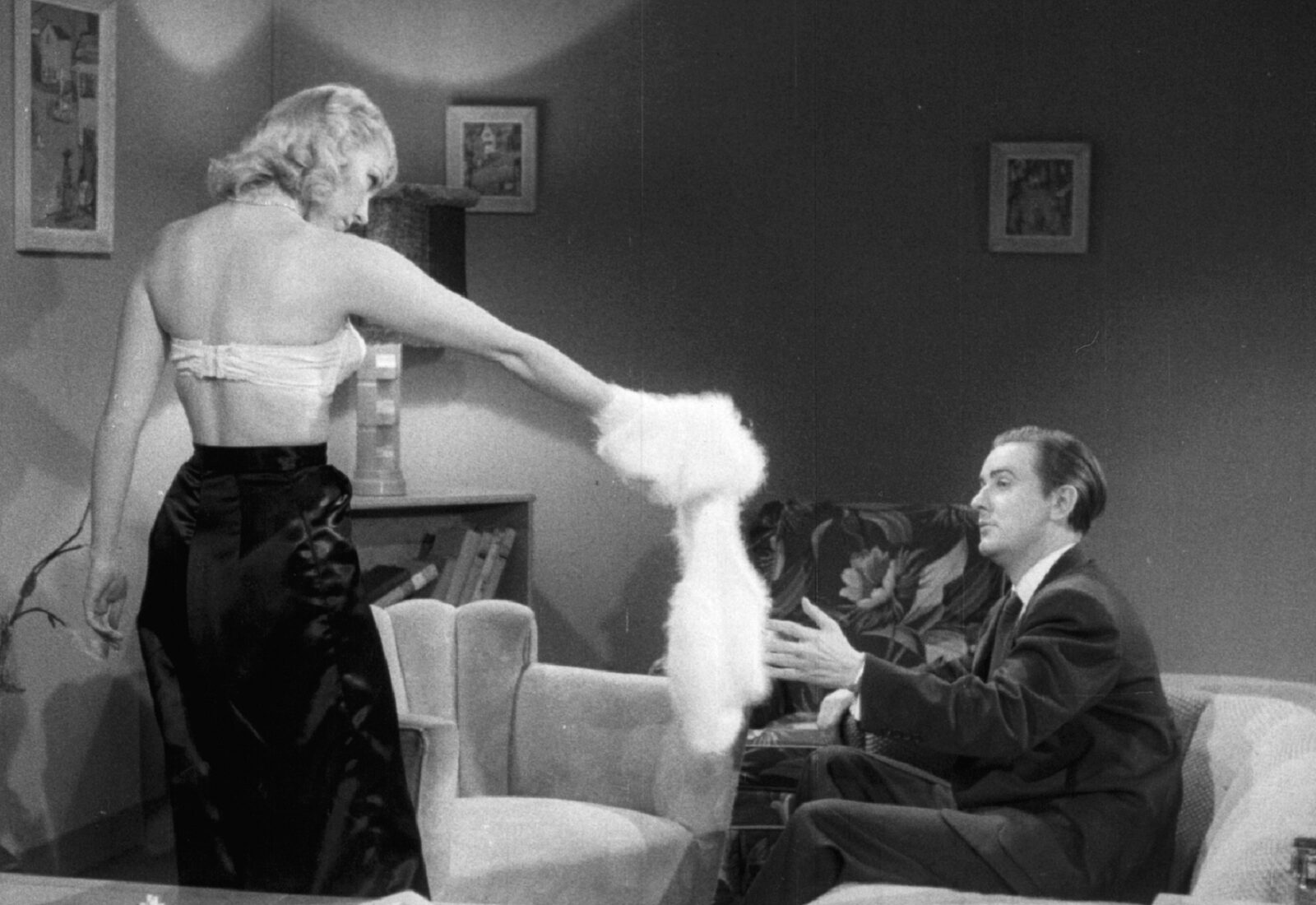
Ed Wood (born Edward Davis Wood Jr., 1924-1978) went down in history as "the worst director of all time". The reasons may seem obvious when you watch one of his films, very often made on budgets close to zero, with almost non-existent production, fairly delirious screenplays and a cast made up almost entirely of people who, for some reason, no longer interested the throwaway world of Hollywood. And yet… Yes, there is a gigantic "and yet", superbly portrayed in Tim Burton's film Ed Wood, in which Johnny Deep plays this incredible character. Yes, for me the "and yet" can be summed up in two words: humanity and dreams.
For quite some time I collected Ed Wood's films, which back then I would find on VHS in editions that were not at all easy to track down (today they are found fairly easily; at the end of the article there are two complete films you can comfortably watch on YouTube). Yes, because I had fallen in love with them. His films were incredible journeys, moving between science fiction (Plan 9 from outer space, from 1959, for example), horror (such as Bride of the monster from 1955), and sometimes even "social" themes, as in the super cult Glen Or Glenda from 1953, in which Ed Wood reveals this autobiographical quirk of his, a love of wearing women's clothes.
The enthusiasm and love for cinema is evident in Ed Wood's films, first of all in his output, which never stops despite resounding failures at the box office and with the critics, but also in the various utterly alternative and unusual solutions he came up with to make up for the lack of budget. Some of these episodes are shown in Tim Burton's film, such as the one in which the tentacles of a supposedly "mechanical" octopus are moved by hand by the actor being attacked (in this case Bela Lugosi, of whom I will say more later). Or his own creation of the alien spaceships in Plan 9, made from "flying" plates hung from fishing rods.
In this sense, the dream: Ed Wood never lets himself be discouraged. The critics, the producers, the whole Hollywood world treat him as an outcast, but that comes and goes. His passions are films, cinema, directing, and so, with or without approval, he carries on, without compromise and following his own ideas, which, however strange many people find them, are what drive and excite him. I don't mean that consistency combined with enthusiasm should turn into stubbornness, a refusal to recognise what works and what doesn't, but that if you are deeply driven by a passion, then you should follow what your gut and your heart tell you, rather than looking for patterns you don't recognise yourself in just to win other people's approval. Approval is sometimes a consequence, but it cannot become the purpose that moves the gesture. And this is evident throughout Ed Wood's life, including his decision to come out about wearing women's clothes, which caused a scandal at the time, whereas now it would simply be "cool." Rather like his films, which were slaughtered back then and are cult classics today.
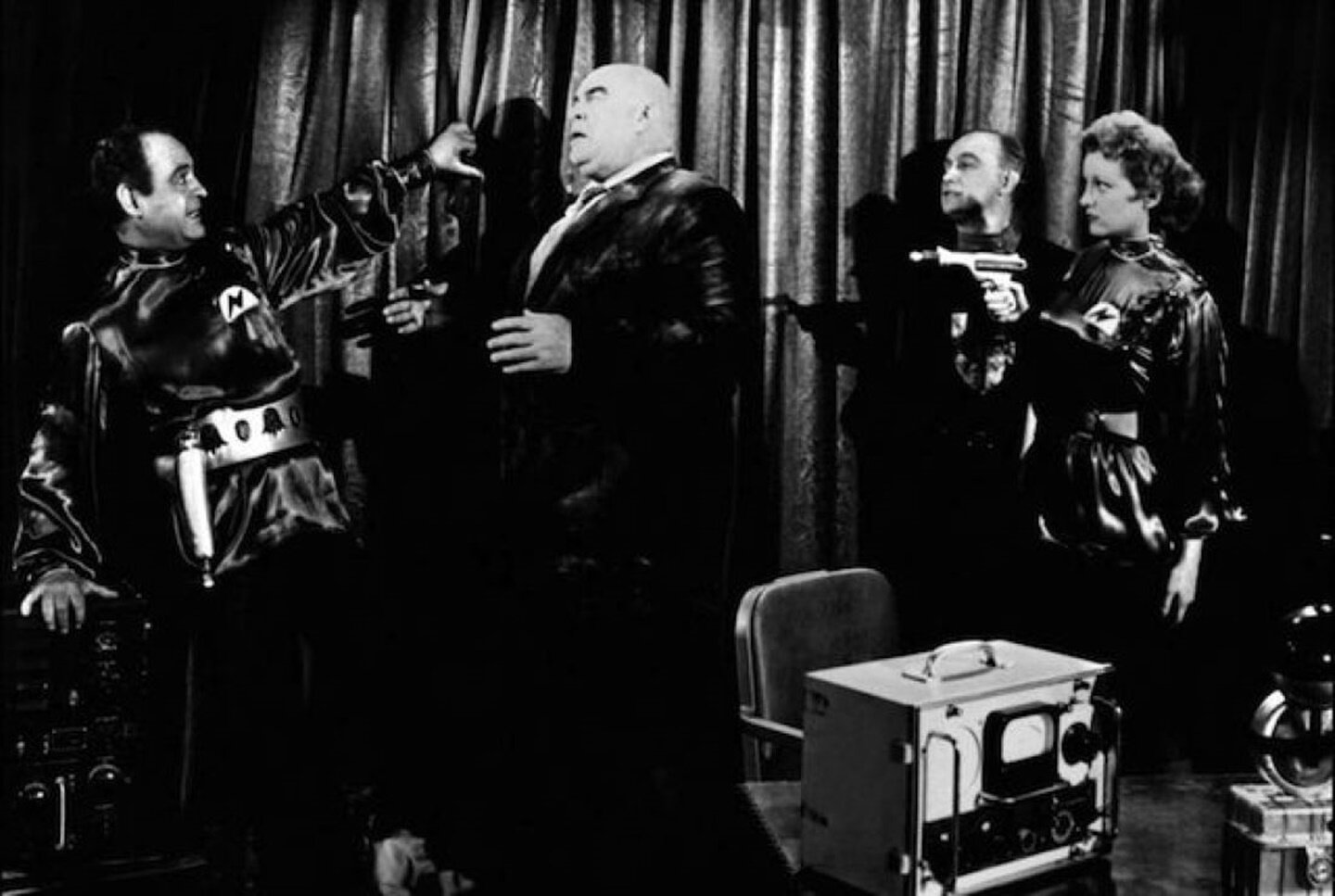
And then there is the humanity. So far I have only touched briefly on the cast and the actors, but they are a crucial part of his story. Stars of stage and screen who had been forgotten by everyone at the time, left alone in lives that were sometimes shattered and difficult, and whom he got back in touch with because they were the idols of his youth, his points of reference. One above all: Bela Lugosi. The actor who played Dracula (1931) and was completely crushed by his own character, with a history of drug addiction and mental illness, through which he lost his identity, identifying almost entirely with the famous Vampire.
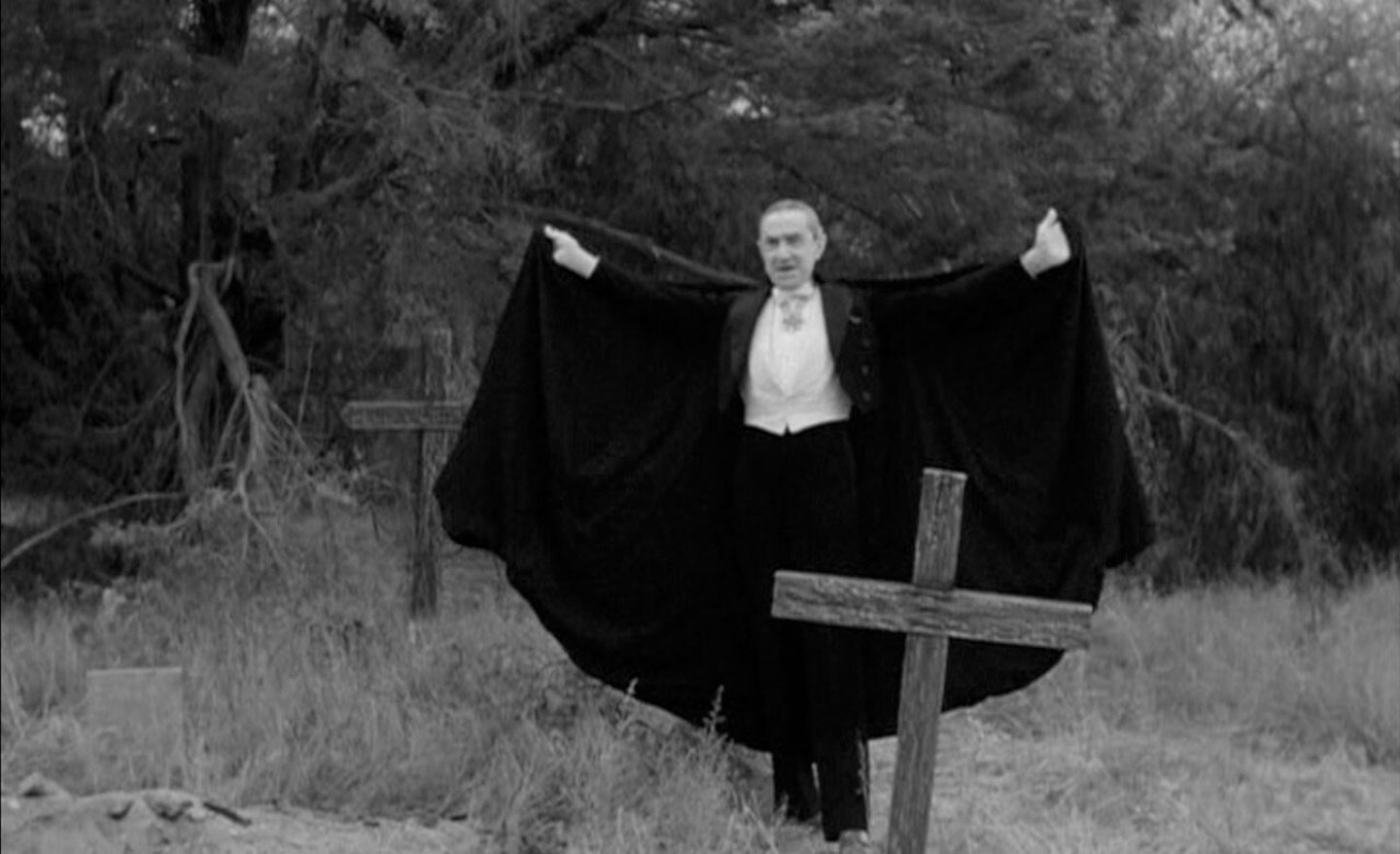
After being, for years, a leading figure of 1930s horror cinema, with his rivalry with Boris Karloff (Frankestein), he was completely abandoned to his fate in total solitude, often caused by mental illness and drug addiction. That was until Ed Wood arrived, with whom he formed a deep friendship that would last until his death. A curious footnote on this too: Bela died after shooting a few scenes of Plan 9, and to finish the film Ed Wood had his part played by a "stand-in" (a chiropractor named Tom Mason). It is all painfully obvious, since Tom looks extremely different from Bela and acts while constantly covering his face with a cape, making a situation that was dramatic in itself grotesque and surreal. And this is another of Ed Wood's great powers. Besides Bela Lugosi, there was also Vampira, actress and television personality, Thor Johonson, actor and wrestler, and many other utterly singular, out-of-the-ordinary characters, often marginalised, snubbed, excluded. In ways more or less obvious and more or less painful for each of them.
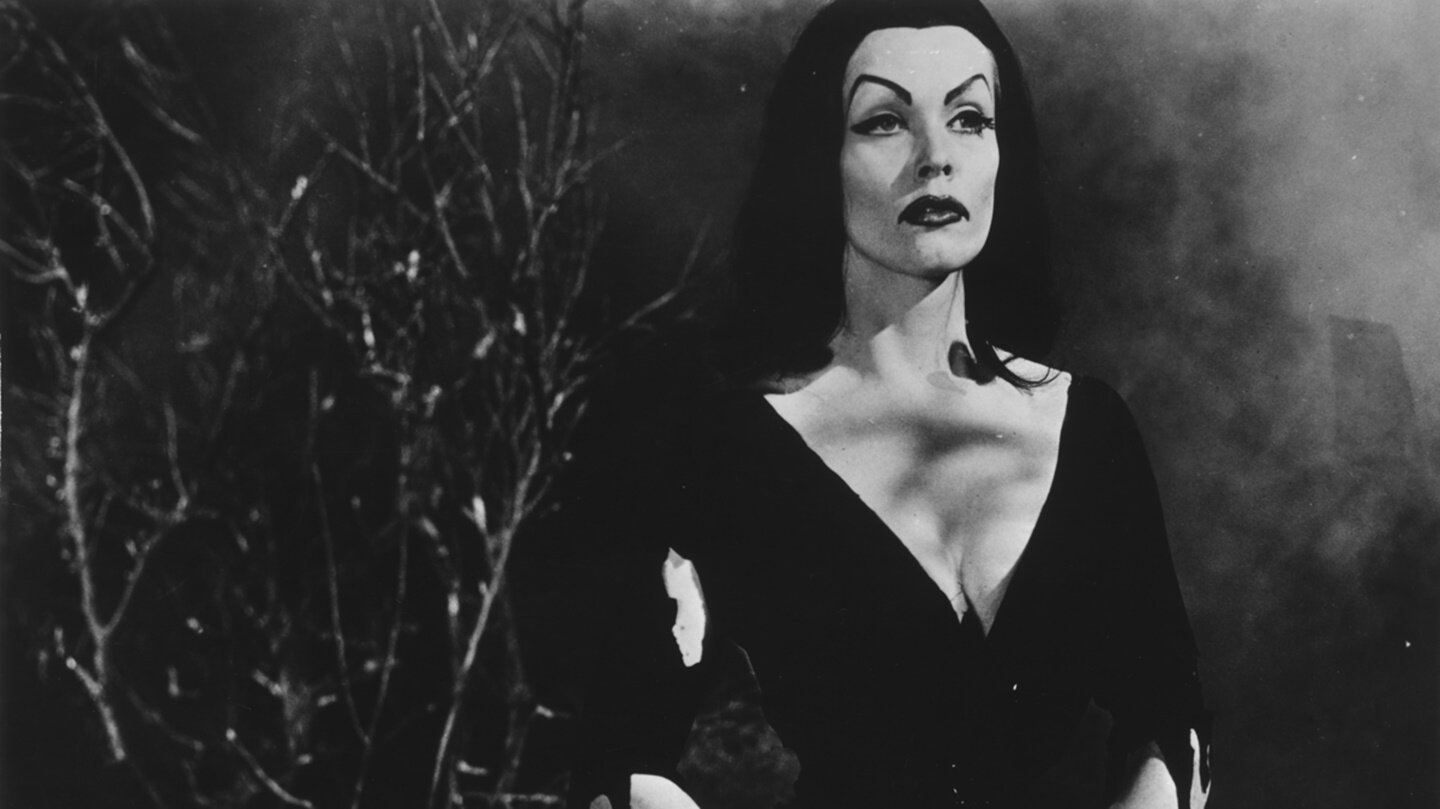
Ed Wood, on the other hand, had the ability to bring them together, to give them back their enthusiasm, to bring them back into a world totally different from the one that had disowned them.
To this day the films they made with him appear in these people's biographies, and have now become absolute cult classics for all lovers of B-Movies. Ed Wood was the father of this genre, which entertains, fascinates and in its own way moves many admirers all over the world. Myself included, of course.
So, in short, this is what Ed Wood's story leaves us with. The strength to believe in your own dreams, the courage not to conform, the humanity of building real relationships with people, before characters. And from all this, even if nothing "beautiful" is born by the most common standards (which are sometimes banal and boring, let's be honest), something more precious is born. Something magical. Which, beautiful or ugly, has a role far more important than the aesthetic or the content. It takes on a historic, revolutionary role and yes, one capable of inspiring.
Alice K.
STORIES is a column dedicated to great stories from the past that can inspire your present.