
Shin'ya Tsukamoto: beyond the flesh, the master of Japanese underground cinema
Marco Mandrino
By Alice Kundalini - She Spread Sorrow
Shin'ya Tsukamoto is a Japanese director and actor, regarded as a cult figure of independent and underground cinema, with an aesthetic that ranges from cyberpunk to ultraviolence, from the most harrowing horror to the murkiest perversions. He is wildly admired by Quentin Tarantino too, who considers him a master and a constant source of inspiration.
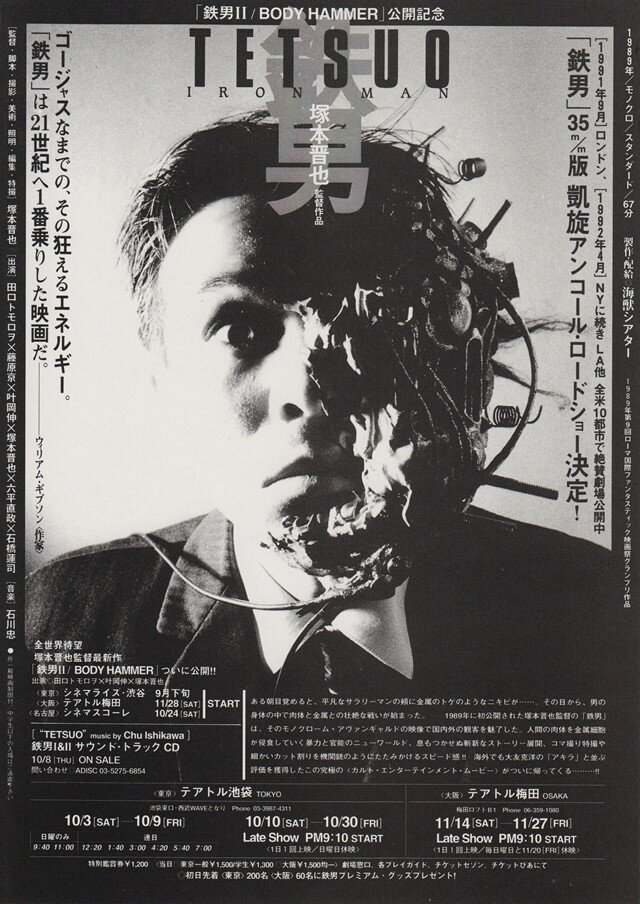
My introduction to Tsukamoto, as for many who know and love him, came through one of his most famous films, though still within the underground circuits of cinema: Tetsuo, The Iron Man. We have to thank Enrico Ghezzi and his late-night programme Fuori Orario, which allowed so many people to discover films like this one: I still remember the nights spent waiting for his films to come on so I could record them! Today everything is much simpler and, although Shin'ya certainly doesn't belong to mainstream cinema, almost all of his films can be found very easily online. But let's go back to Tetsuo. A film we can consider a true masterpiece of Shin'ya's visionary madness, representative of his recurring themes, such as the relationship with the body and the mutation of the organic into the machine (certainly influenced by David Cronenberg). With directing that is nothing short of schizophrenic and a technique almost like a music video, in just a few frames Tsukamoto leads you into a nightmare with your eyes wide open: the small growth on a man's face spreads, grows and engulfs him, turning him into a sort of machine man. No, not in the style of Transformers, but in the style of obsession: flesh that destroys itself and fuses with iron, with litres of blood, endless spirals of madness and unforgettable scenes, like the lovemaking one.
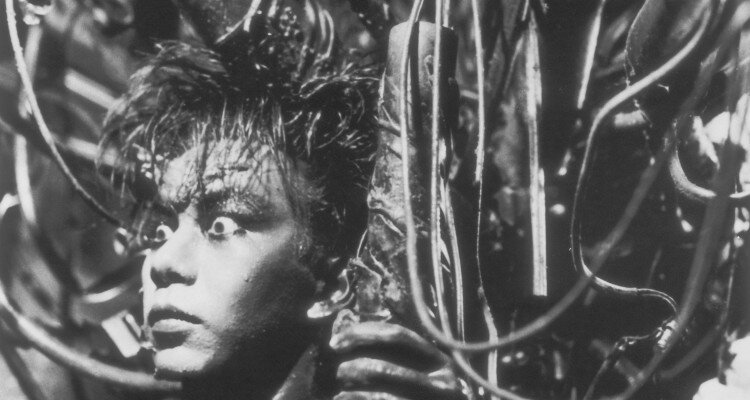
But let's take it in order. Shin'ya Tsukamoto was born in 1960 and came to cinema at a very young age, around 14, shooting short films of about ten minutes with a Super8 camera given to him by his father. In his youth he lost interest in cinema and joined a theatre company, where meeting a few actors (among them Tomorowo Taguchi, who would become one of his favourite actors) rekindled his passion. And it was precisely from the adaptation of a stage show that Shin'ya's first medium-length film was born, in 1987: Le avventure del ragazzo dal palo elettrico, truly bizarre and entertaining, whose plot is literally explained in the title: the adventures of a boy with a lamppost sticking out of his back. Here it is in full:
In '89 came Tetsuo, The Iron Man, which brought him success in the world of underground cinema, so much so that it had two sequels, Tetsuo II: Body Hammer (1992) and Tetsuo: The Bullet Man (2009).
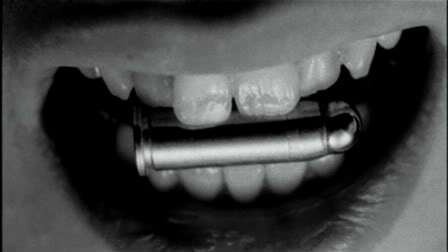
In the 1990s the director continued his delirious path with films such as Bullet Ballet, in which a young man's obsession (the protagonist is played by Shin'ya himself) with the weapon his girlfriend killed herself with leads him to join a gang of hyperviolent punks. Or Tokyo Fist, a sort of rediscovery of "real" life made of intense emotions, blood and violence, as an extreme antidote to the monotony of an ordinary existence.
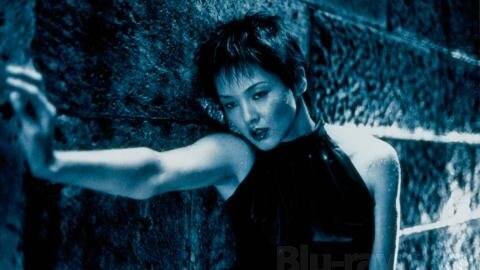
In 2002 came a masterpiece, A Snake On June, a film in blue and black which, against a backdrop of incessant, pounding rain, tells of perversions and obsessions in an extremely delicate and refined way, moving the director's aesthetic onto a different level. A young woman married to a man older than her, with whom she leads a life devoid of passion, finds herself trapped in an erotic spiral, ever deeper but also redemptive. The film won the Premio Speciale San Marco at the Venice Film Festival. After the interlude of Vital, another film dealing with romantic themes, albeit still in the "Tsukamoto style", the medium-length film Haze marks a return to horror. I don't think I have ever seen a more claustrophobic film. For me it's a real little gem of horror. A man wakes up wounded in an air duct. From there begins a veritable labyrinth in which the lack of light, air and space mingles with truly extreme and desperate attempts to get out alive.
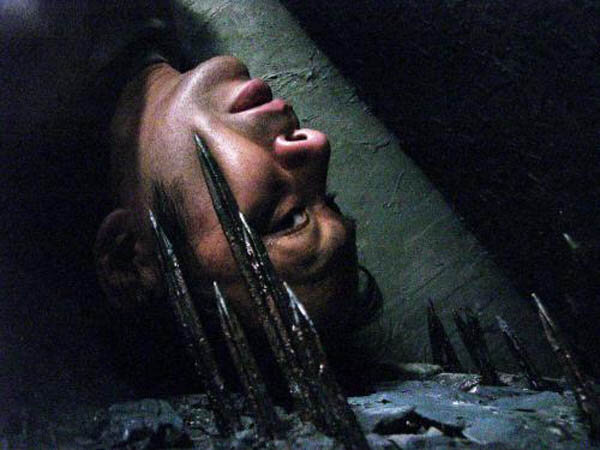
Not just films, but television series too: Nightmare Detective, an ultra-violent police series that has become a cult favourite among lovers of disembowelments and severed limbs, of which Tsukamoto never leaves us short.
As an actor, too, he takes part in absurd, disturbing, violent and crazy films, such as Ichi The Killer by Takashi Mike and Marebito by Takashi Shimizu, which, if you don't know them, I warmly recommend.
In short, with its bodily mutations, ultra-violence, litres of blood, amputated limbs, dark perversions, teeth grinding on metal and cyberpunk aesthetic, Shin'ya Tsukamoto is certainly not a director who leaves you indifferent. And that almost ironic touch, which we often find in many extreme films made in Japan, with that taste for what becomes so excessive that it turns grotesque, enriches his cinema, making it flow quickly, like spurting blood or a bullet passing through you.
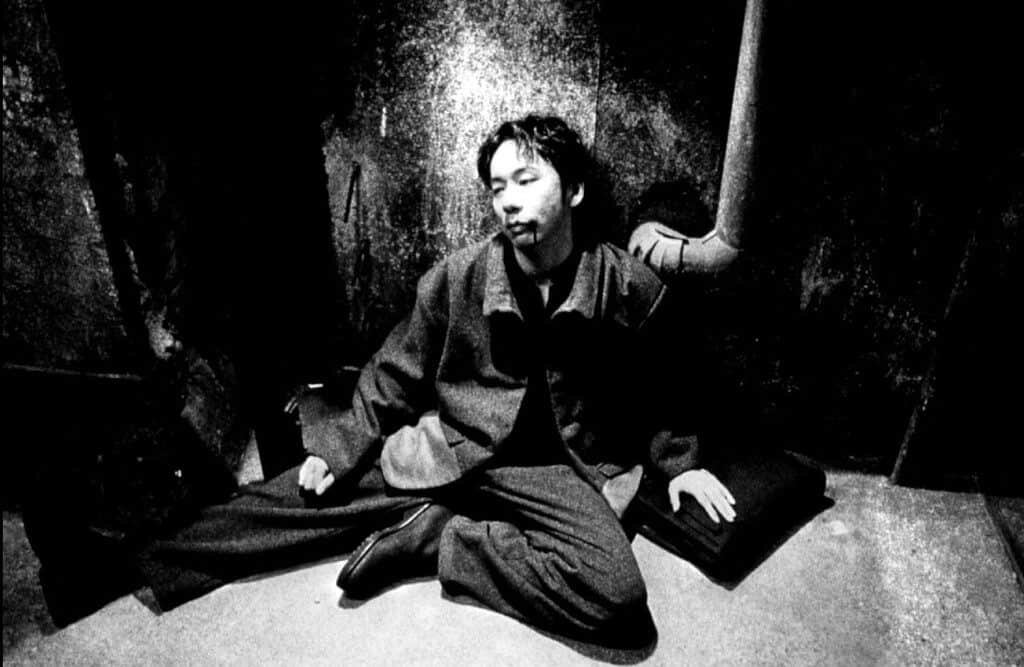

Black Pills is a column that does not set out to teach anything. There are books, articles and manuals that deal with the biographies of artists, films and works of art in a detailed and exhaustive way. This is not one of those cases. The black pills are small glimpses of cultural and artistic landscapes, at times very broad, which offer the chance to explore themes that do not entirely belong to mass culture, but move along other channels and other circuits. In a world where the choice is often limited to what is defined, in the broadest sense, as pop, I highly recommend taking a few pills of a different colour and perhaps discovering something new, which in some cases, as in mine, can stay with you for the rest of your life.