
Kim Ki-Duk: a farewell to a master
Marco Mandrino
Edited by Alice Kundalini - She Spread Sorrow
The news of Kim Ki-Duk's death came completely unexpectedly on 11 December this year. It shook a great many people, myself and many dear friends who love his cinema and his art among them.
His death is shrouded in a mysterious veil; it seems painted by his own hand, so solitary and rarefied does it appear. He arrived in Latvia on 20 November to buy a house ahead of a new film he was due to shoot, and literally disappeared, until a Latvian hospital announced his death from complications of COVID. He was 59, with still so much to say.
A controversial director, an underrated auteur, above all in his home country, South Korea. No man is a prophet in his own land, but he certainly influenced much of the generation of South Korean directors who, after him, began making a different kind of cinema, loved by many, up to the famous Parasite by Bong Joon-ho, winner of the Oscar for Best Picture in 2019.
In Europe Kim Ki-Duk's success was recognised with several awards won at Venice, Berlin and Cannes, which celebrated some of his most beautiful and intense films. A very prolific director, he made more than 20 films in just a few years, almost always on tiny budgets (precisely because of the scant regard in which he was held in South Korea), which however took none of the power away from his cinema, quite the opposite. Hyper-realistic, at times extremely harsh, at times pure poetry, it lulls you into stories of marginalisation, pain, loneliness, love, violence and spirituality, drawing deeply profound stories that stick to you for days, sometimes for ever.
In Europe the first film that made him famous was The Isle (actually the fourth of his career, which began with Crocodile four years earlier), presented at the Venice Film Festival in 2000. A raw, brutal film that tells the carnal story of a couple in a small fishing village, where fish hooks become the symbol of their bond, piercing everywhere, from the mouth to the genitals, in a painful and gripping portrayal that marks so many of his films.
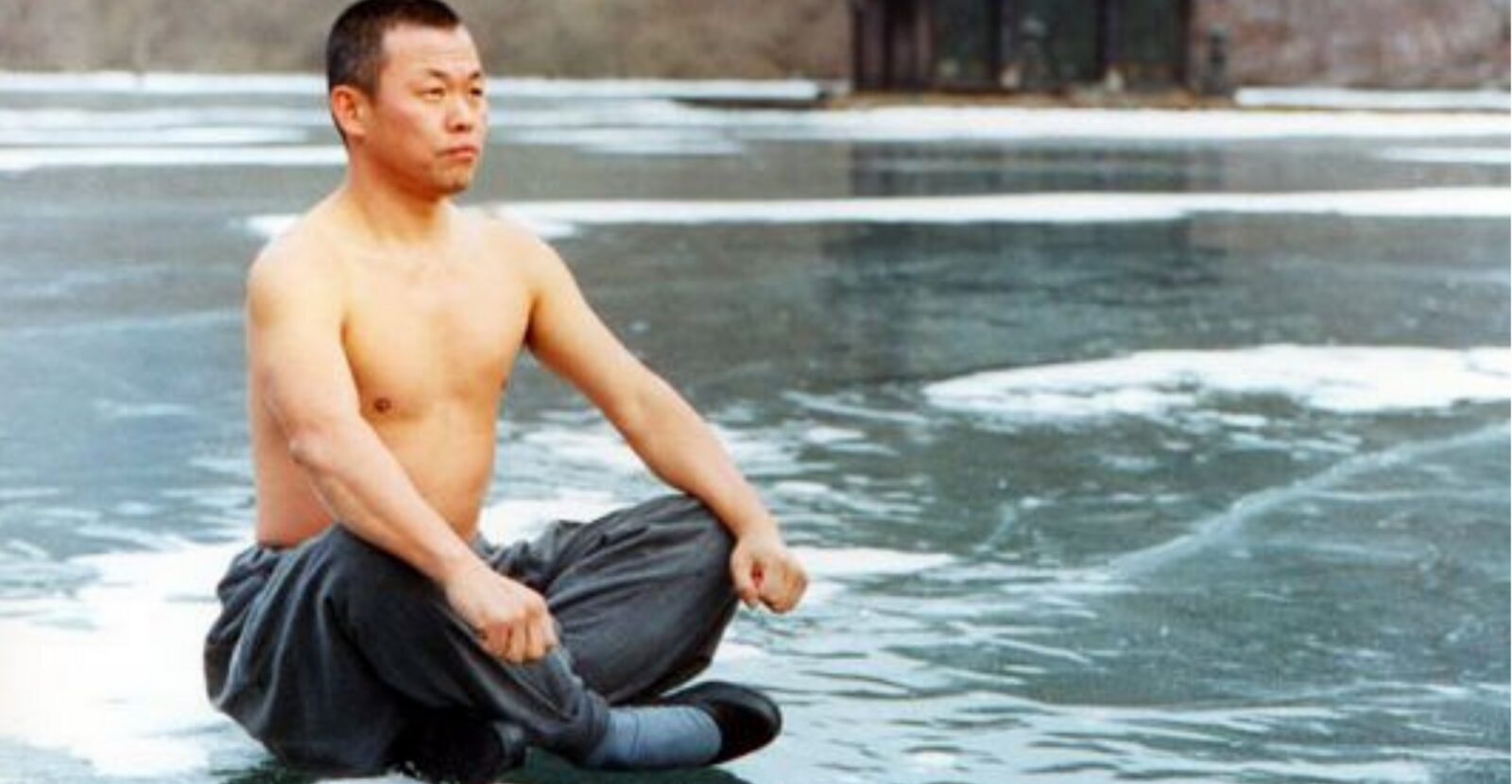
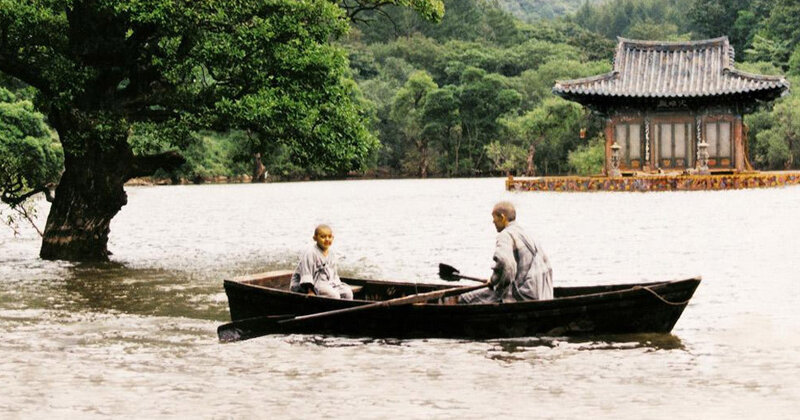
Another celebrated masterpiece is Spring, Summer, Autumn, Winter… and Spring from 2003. A poem for the soul and the eyes, a spiritual film about the cyclical nature of life, revolving around the existence of a child, then a boy, then a man, who becomes a Buddhist monk and in turn looks after a child, symbolising an eternal return of what was, is and will be.
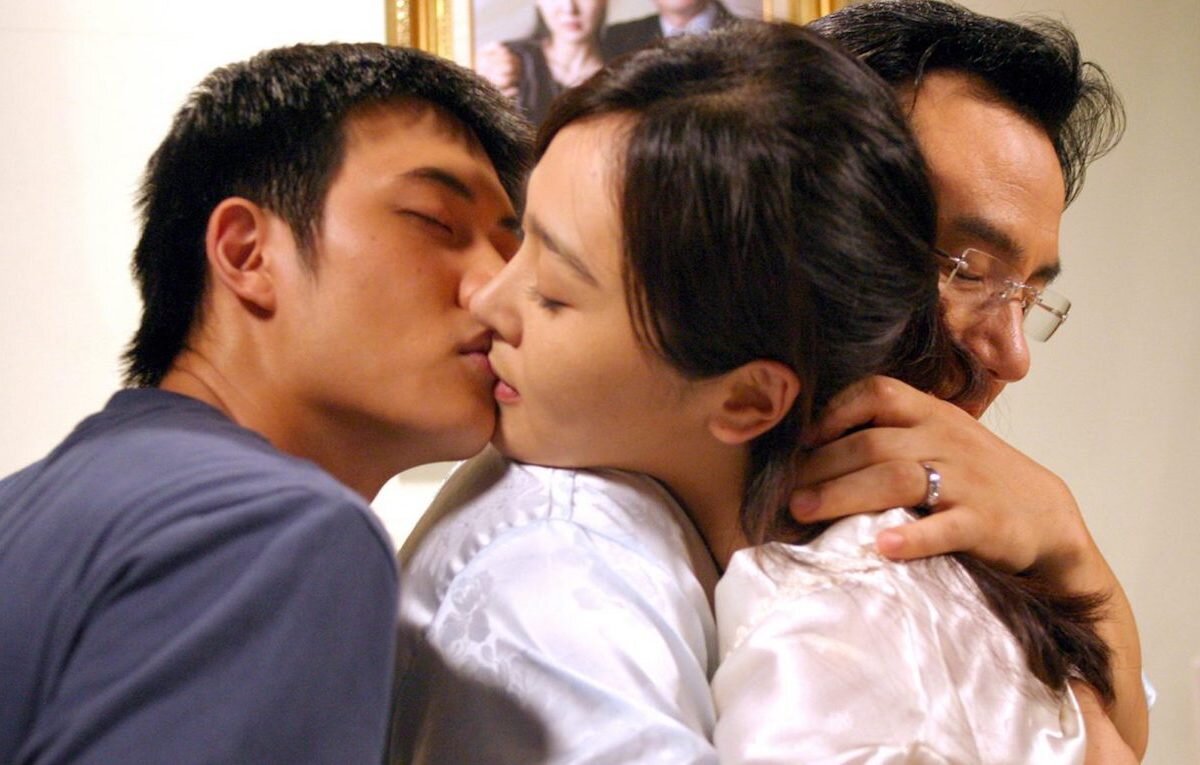
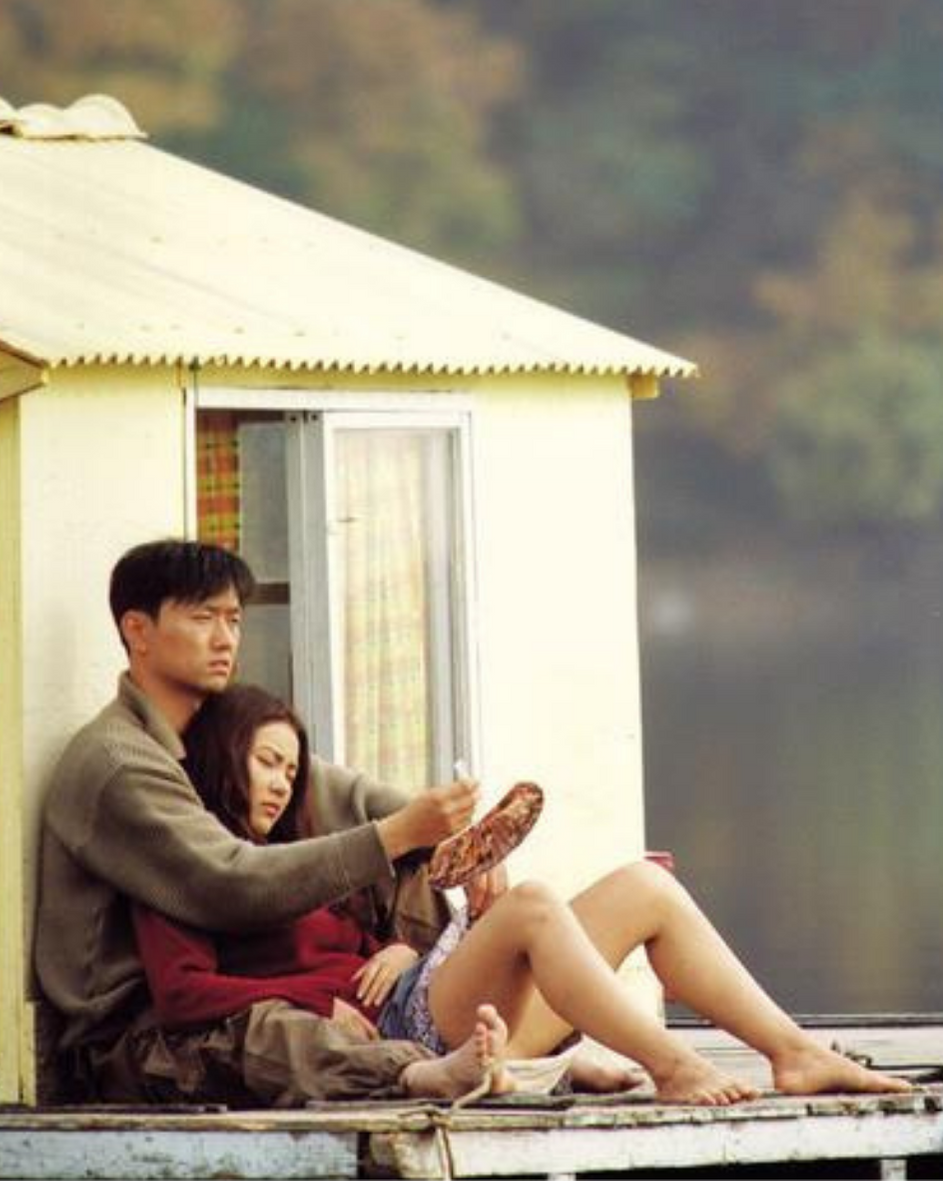
The following year came 3-Iron, Silver Lion at Venice, to this day considered by many the peak of his career. A story of loneliness, isolation, violence, invisibility and love, which moves you and touches delicate strings of the human soul, strings that, at least for me, lie so deep that they leave a definitive, indelible mark. In the same year there was also Samaritan Girl, which won the Silver Bear in Berlin, an extremely touching and painful story of prostitution, love and poverty.
From there came a long existential crisis, which led him to isolate himself for a long period, during which he made Arirang (winner of the Un Certain Regard prize at the Cannes Film Festival in 2011), a sort of biographical docufilm about the very period of isolation he was going through, in which he shares his deep distress and pain with staggering sincerity.
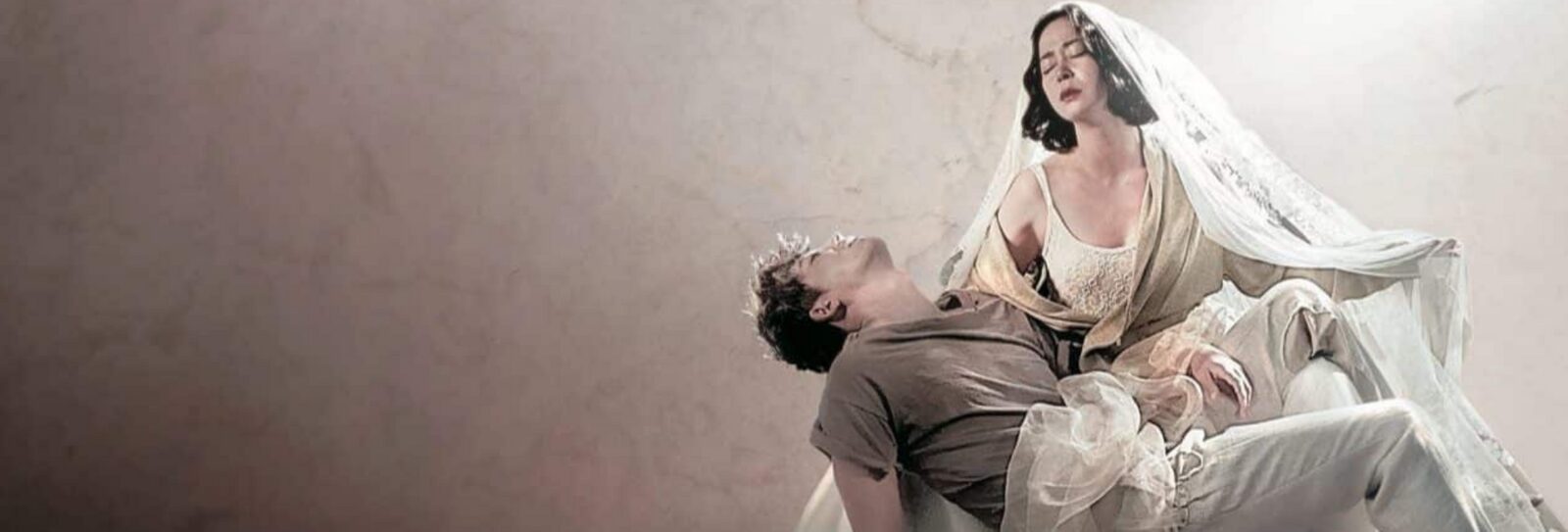
This crisis was not the end of his art: he returned, though incredibly changed, even physically, in 2012 with yet another masterpiece: Pietà. Inspired by Michelangelo's Pietà, which struck him deeply on a visit to the Vatican, he weaves the story of a young man who is the very picture of evil, collecting money for a loan shark by inhuman and horrifying methods, until the mother who abandoned him as a child returns and redeems him, leading to a heartbreaking and incredibly intense ending. With this film he won the Golden Lion, and at the press conference, where he appeared truly unrecognisable, aged, with feet worn as if he had walked barefoot his whole life, he said nothing, but sang Arirang, a traditional Korean song that gives its name to his film of the crisis and which also appears in a scene of Spring, Summer, Autumn, Winter… and Spring… a scene he watches again in the docufilm mentioned, in a very long single take that brings him to tears so sincere that it transcends cinema and enters the human dimension, giving us something of himself, true, authentic, unique. And with that long song it is as if he took us back to that scene, sharing with us, through that gesture, his rebirth.
A troubled, intense life, like one of his works of art, a life that, though short, seems made up of several lives: from enlisting in the army in his youth (an experience that is also central to his cinema, for example in The Net from 2016), to then choosing to follow his creativity and going to study in Paris; from the sad involvement in #metoo, accused by an actress though without proof, to festival triumphs. A difficult life that often saw him marginalised and in conflict, both with the society around him, of which he paints ruthless portraits, as in Human, Space, Time and Human from 2018, and with himself.
I leave it to each of you to explore some or all of his films if you wish; they are too numerous and varied to be covered in a short piece like this, which is meant more as a farewell to someone who gave me, and still gives me, incredible emotions, who often made me cry and even more often made me reflect and question myself, a man who with his life and his art told the pain of many, not just characters but people, like him, like me, like so many, who even if only for a moment have felt outside the world, outside society, alone, invisible, but also strong, alive, unique. We will miss you so very much.
Black Pills is a column that does not set out to teach anything. There are books, articles and manuals that deal with the biographies of artists, films and works of art in a detailed and exhaustive way. This is not one of those cases. The black pills are small glimpses of cultural and artistic landscapes, at times very broad, which offer the chance to explore themes that do not entirely belong to mass culture, but move along other channels and other circuits. In a world where the choice is often limited to what is defined, in the broadest sense, as pop, I highly recommend taking a few pills of a different colour and perhaps discovering something new, which in some cases, as in mine, can stay with you for the rest of your life.