
The incredible beauty of simple solidarity
Marco Mandrino
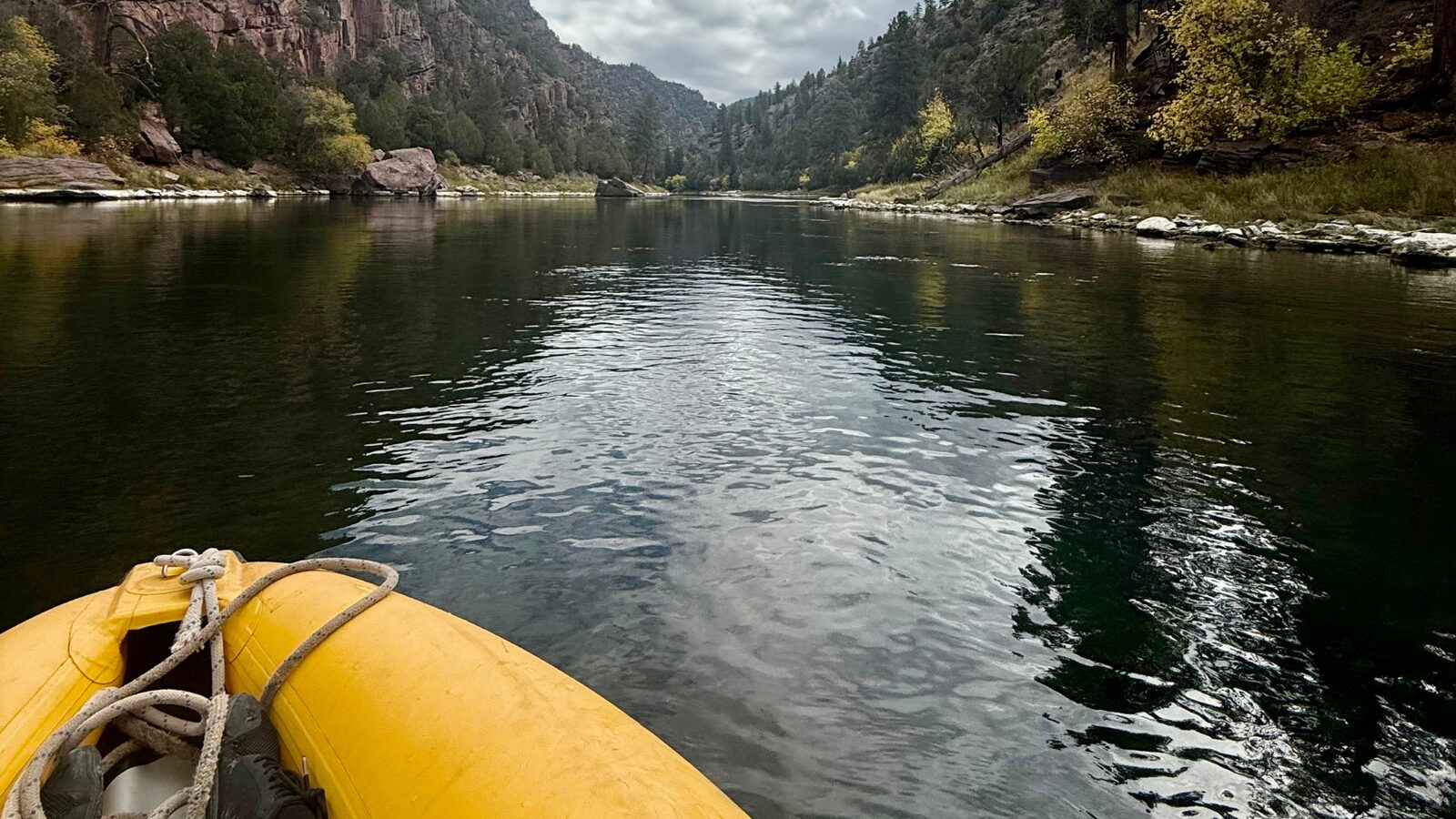
We are in a little village, John Dutch, in northern Utah, with 220 inhabitants, high above a canyon. Below flows the Green Rivern, which much further on, in the Canyonlands, flows into the Colorado River. The river in question is freezing cold and full of rapids. We are told, however, that since the water level is low, the rapids are very easy to get through. So we hire a two-seater kayak, and the man who hires it out takes us to a point on the river and we agree that he will pick us up 11 km downstream after 3 hours.
We are, of course, complete beginners, and at the second rapid we fail to keep the kayak straight and it capsizes. The current sweeps me away, and I end up underwater several times, just like I had only ever seen in films, holding on to my rucksack (losing it would have been a small tragedy), an oar and the life-jacket (wearing it would have been for losers). Meanwhile Emanuela, who has also ended up in the water, is caught by a rock and so manages, heroically, to free the kayak and throw herself on top of it, even though she no longer had any oars.
A small rowing boat with three fishermen on board, positioned just after the rapid, watches the scene and “rushes” to our rescue. They retrieve Emanuela's oar, pull me out, and tow the kayak with Emanuela on top close to the bank. They leave us there, also because they could not do anything else. We are wet and frozen, but we have no choice, as we cannot communicate with anyone. We jump onto the kayak with the idea of reaching the point where the man who hired it to us is supposed to pick us up. So we paddle as fast as we can. We gain experience and get better at getting through the rapids without capsizing. We cover the 11 km and reach the pick-up point an hour early. We drag the kayak onto the bank, our legs so frozen that we can no longer walk.
But we have to wait almost an hour. Other fishermen who arrive in the car park are visibly worried about us. They ask us questions. They offer to give us their dry clothes. A small group takes a car, since there was no phone signal there, and goes to call for help. The sheriff arrives and, after asking us who is supposed to be coming to collect us, rushes off to call him himself. After about twenty minutes the sheriff comes back and tells us that he is on his way, but in the meantime he has us sit in his warm pickup. We chat a little while we wait, and he tells us that helping people is part of his duty and that he is glad to do it.
Our adventure was thus an opportunity to discover that there are still people who do not turn a blind eye, who, even though we had asked for nothing, are willing to help and who care even though we were strangers.
So we learned how to handle a kayak on rapids, discovered what the inside of a sheriff's pickup looks like (really full of interesting gadgets), experienced what it feels like to be swept away by the current, found out that sometimes a life-jacket might not be just for losers after all, but above all admired simple, selfless human solidarity.
Photo by e.b. taken just after we set off, before ending up in the water :)
m.m.