
Gondry and dreams in music video format
Marco Mandrino

Edited by Alice Kundalini - She Spread Sorrow
Michel Gondry is a director born in Versailles in 1963 and known for his visionary, dreamlike and extremely personal style. He started out very young as a musician, playing drums in the band Oui Oui, for whom he made a few music videos.
By a stroke of great luck, his videos were seen by none other than Bjork herself. And from there began a wonderful collaboration between these two artists: Bjork's music, always beyond the boundaries of the ordinary, marries perfectly with the poetic, dreamlike, surreal images of Gondry's videos. Each of the two artists adds value to the other, as in the most fruitful and interesting collaborations.
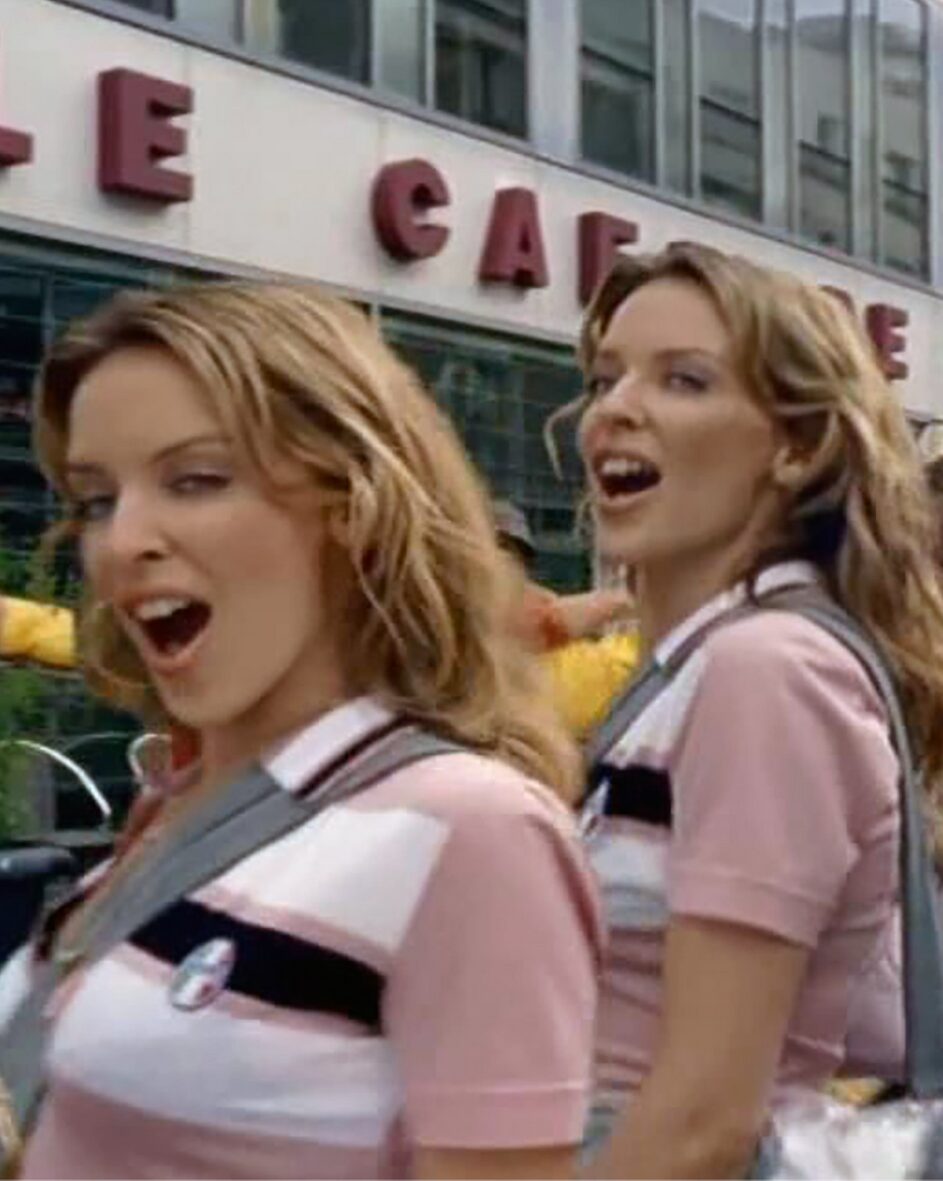
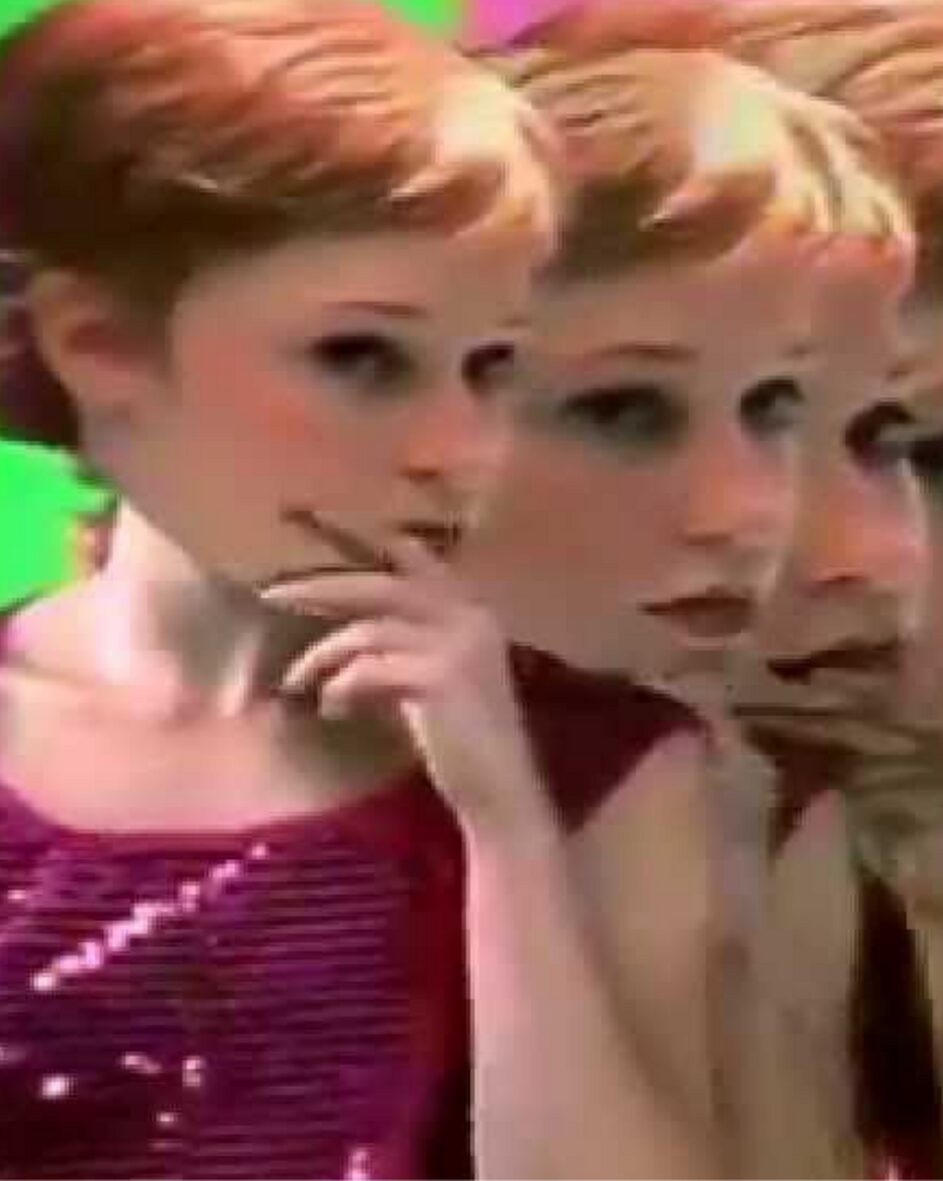
He made a great many videos for Bjork, but he didn't stop there, going on to shoot countless others, always of the highest quality, for a huge number of pop stars such as Kylie Minogue, White Stripes, Cibo Matto, Chemical Brothers, Daft Punk, Massive Attack, Rolling Stones, Foo Fighters, and so on. He became an absolute point of reference for music videos, making some that, in my personal opinion, remain to this day among the most beautiful ever made.
Time and space that shift, people who multiply, digital effects blended with others that are wonderfully handmade, giant heads, giant hands, books that write and erase themselves, gorillas working as dentists, and so much more. It's hard to say which are the best; each has a distinctive quality that makes it memorable in some way.
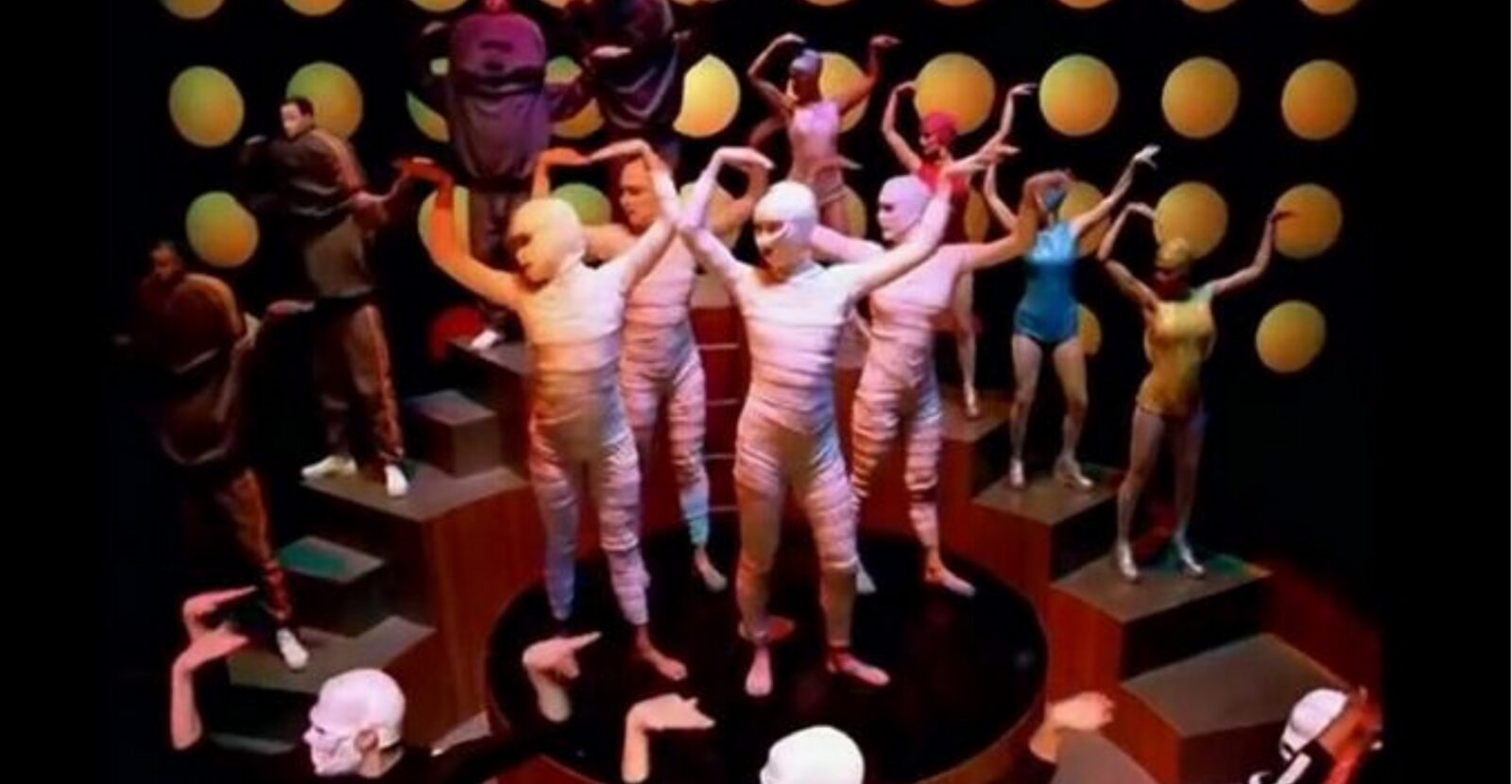
From the drums multiplying one after another in the White Stripes' The Hardest Button to Button ; to the brilliant double plane in which the same story plays forwards and backwards, merging into a temporal space that makes you lose all bearings, in Cibo Matto's video for Sugar Water; to Bjork's famous and stunning videos: Joga, Bachelorette, Army of Me, Isobel, Hyperballad… And we can't fail to mention Daft Punk's Around The World, with its circular dance performed by unlikely characters, each one synchronised to a particular sound in the track.
Every time I happen to rewatch a Gondry video, I'm immediately struck by that nineties syndrome of the "Eh (sigh) they don't make great videos like they used to", and in Gondry's case I challenge anyone not to think it. In an age when music lives on streaming, when the artist and their originality get lost in a muddle of disposable playlists, the visual side gets lost too. And if Video Killed The Radio Star, lately it's Spotify Killed The Video Star, there you go, a cyclical turn we should have expected ever since MTV started hosting more princes looking for wives than music videos. Especially avant-garde ones like these.
In any case, Spotify has not killed Gondry. Not at all. In the 2000s, Gondry began his career as a film director with Human Nature in 2001, going on to win enormous attention and success on the big screen as well. We all know Se ti lascio ti cancello, if only for the sheer silliness of the Italian title, which in the original is Eternal Sunshine of the Spotless Mind. A romantic, visionary, surprising film with Jim Carrey and Kate Winslet, an enchanting success that defines Gondry's cinematic aesthetic. Daydream stories, with innovative directing techniques borrowed from his music videos, and introspective characters who are out of the ordinary, out of this world.
After this second film, of incredible success and the highest quality, other titles followed, such as the hilarious Be Kind Rewind – Gli Acchiappafilm (who knows what happens whenever Gondry's films have to be given an Italian title, honestly; they kindly added Acchiappafilm, but it doesn't exist in the original title, which is just Be Kind Rewind), The Green Horne, Mood Indigo, The We and I, Microbo e Gasolina.

Not only films and music videos, but television series too. In particular his latest work, Kidding, a wonderful series with a magnificent Jim Carrey as Mr Pickles, a depressed Tonio Cartonio (a children's TV entertainer, for anyone who is, shamefully, not a fan of Melevisione).
For me, Gondry has some incredible merits. Besides knowing how to solve a Rubik's cube with his feet (I swear, there's a video that proves it), first of all he makes pop and the mainstream palatable to me. To me this is a kind of undisputed record. I see him as a bridge, really. On one side he manages to appeal to the general public, and art, let's face it, is also communication. It's not always easy to stay true to an original, unconventional aesthetic like his while making it palatable even to those unused to this language. And yet he manages it, achieving great success with audiences. At the same time, he's also liked by those who reject box-office entertainment for its own sake. He even gets me to listen to the Foo Fighters, if you can believe it. Joking aside, communicating through an art form able to unite extremely different landscapes and people is not something just anyone can do. His world, being the world of dreams, does it. A bit like the Surrealists, who among the early twentieth-century avant-gardes remain among the most appreciated by the general public because they are more intelligible than Duchamp's toilets, the same thing happens here. The language of dreams, or at least his language of dreams, remains an almost universal language, and that moves me every single time.


Black Pills is a column that does not set out to teach anything. There are books, articles and manuals that deal with the biographies of artists, films and works of art in a detailed and exhaustive way. This is not one of those cases. The black pills are small glimpses of cultural and artistic landscapes, at times very broad, which offer the chance to explore themes that do not entirely belong to mass culture, but move along other channels and other circuits. In a world where the choice is often limited to what is defined, in the broadest sense, as pop, I highly recommend taking a few pills of a different colour and perhaps discovering something new, which in some cases, as in mine, can stay with you for the rest of your life.