
Dogtooth: the lack of freedom, relationships and information
Marco Mandrino
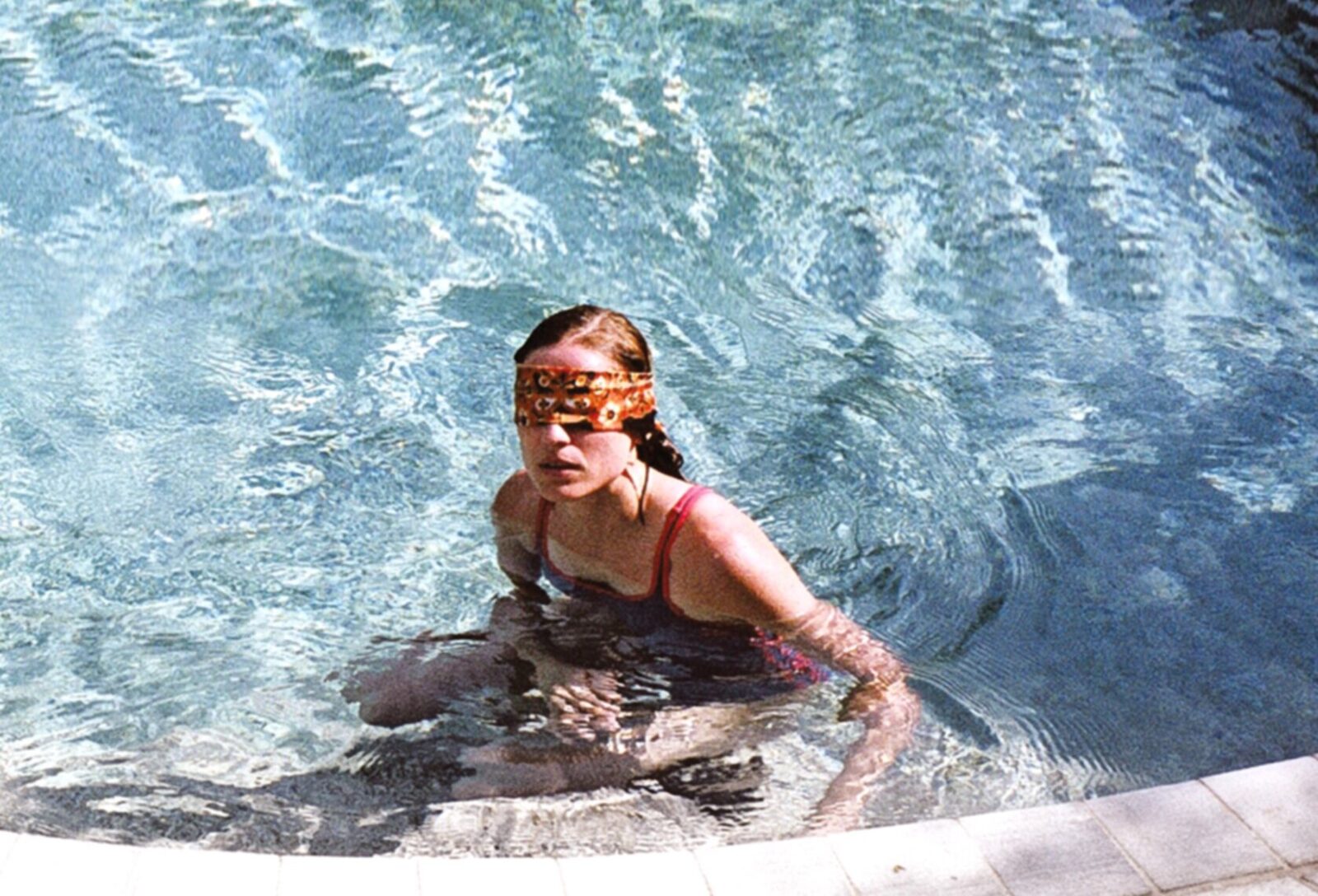
By Alice Kundalini - She Spread Sorrow
Dogtooth is a 2009 film by Yorgos Lanthimos, a Greek director whose aesthetic sets the strong realism of the images against surreal content with deep philosophical and sociological implications. His direction is pared back, minimal and effective, and carries within itself an extremely clear form of communication, even where the content follows a thread that departs from reality as we are used to interpreting it.
I consider Dogtooth a vital film, even more so at a time like this, when freedom and social relationships are being questioned as secondary to other issues, such as health and safety, and when it seems that dealing directly with others is no longer quite so necessary.
The film tells the story of a family made up of a mad, authoritarian father, a submissive mother, two daughters and a son, all now adults. By the parents' will, the family lives completely cut off from the rest of the world. No member of the family, apart from the father, may leave the house or have any contact with the outside world, except for one outside figure who is "hired" by the father so that the son can satisfy his sexual desire. The boundary of their garden, marked out by a wall and a tall hedge, is an insurmountable limit, beyond which anything can happen. The reality the family members live in is constructed and recreated by the father, who totally deconstructs it, starting with language. The children have no names and do not think they should have one. They do not know the meaning of some common words, the sense of many words is altered, and they are given false information which, for them, is the only possible reality. Outside lies an external threat that makes it unthinkable to go out and experience the world. An aseptic, self-sufficient bubble is built, from which they are never ready to escape for fear of what might happen. Fear as an instrument of power and submission, freedom lost in the name of a security that seems necessary and reassuring. No explanation is ever given as to why it was decided to raise the children this way, and the children are never given information about what happens outside. The absence of adequate information is itself a tool of control.
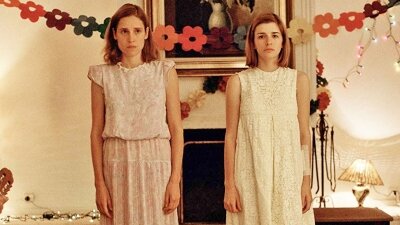
All of this has profound consequences for the children, who lose completely the distinction between moral and immoral, between good and bad, between happiness and suffering, between fulfilment and frustration. Their identity fades and gets lost in a daily life devoid of colour and personal fulfilment, which leads to exasperation and an inability to act and react to external stimuli in a way that is not only appropriate, but even simply healthy.
Isolation, which therefore brings suffering, mental illness and violence. Protection which, pushed to the extreme, becomes submission. Family love which becomes a delirium of power. The allegory depicts not only the extreme consequences of a sick family unit, but also describes and raises important questions on a wider, socio-political scale. In the madness that stems from this situation of closure and detachment, the failure of the closed society becomes evident, along with the struggle that arises between oppression in the name of security and individual freedom. The father is like an oppressive State which, in the name of security (against what danger, nobody quite knows), sacrifices the individual's freedom of action, relationships with others (divide et impera), and information (those without culture have no power).
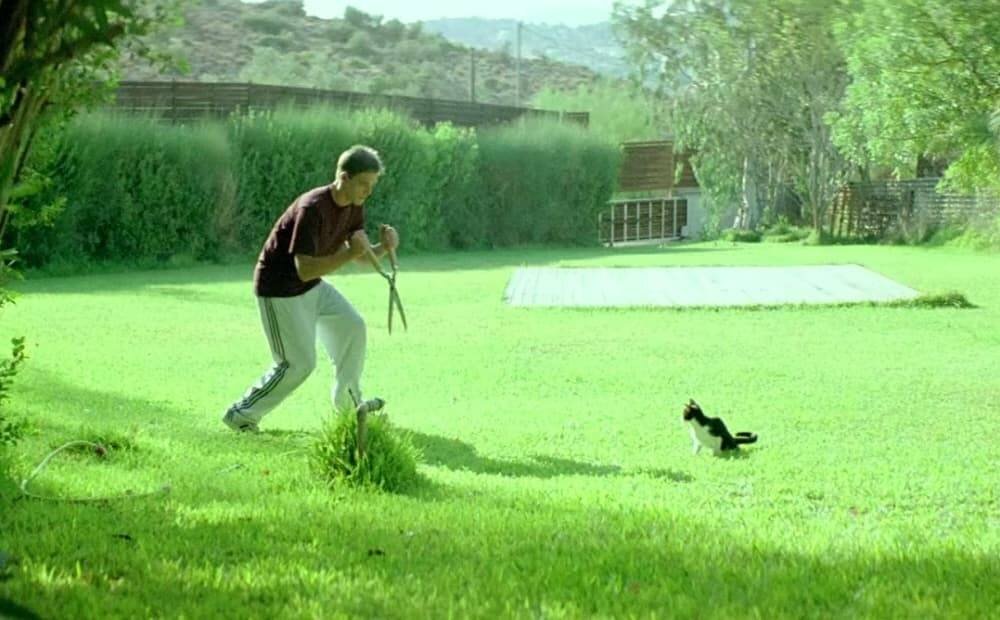
I think it is essential to watch or rewatch this film now, and to ask ourselves what we consider sacrificable and in the name of what. To question the consequences that sacrificing freedom and relationships may have, because it is unthinkable that there would be none. Trying to maintain a strong contact with our own individuality, without passively absorbing whatever is offered to us, but always seeking a personal and authentic vision, is becoming more and more important today. In the film the children are raised in the belief that cats are ferocious animals and they are terrified of them; they never try to stroke one lovingly, thus nurturing a belief imposed from outside and never tested. Perhaps we should experiment more, now more than ever, and look for our own truths without stopping at what we are told and what is imposed from above. To look in culture, in knowledge, in curiosity, in experimentation for that key that can allow us to keep a critical and aware attitude towards what happens to us every day, without allowing anyone to decide what is right and what is expendable for us. Try stroking a cat and see if it scratches you, that's it. And even if it does, try to work out whether a scratch was worth the pleasure of a caress, and not only that one, but a thousand other cats too, rather than shutting ourselves in an aseptic bubble, sacrificing the richness of a full existence in the name of a life that is apparently safe and certainly unhappy.

Black Pills is a column that does not set out to teach anything. There are books, articles and manuals that deal with the biographies of artists, films and works of art in a detailed and exhaustive way. This is not one of those cases. The black pills are small glimpses of cultural and artistic landscapes, at times very broad, which offer the chance to explore themes that do not entirely belong to mass culture, but move along other channels and other circuits. In a world where the choice is often limited to what is defined, in the broadest sense, as pop, I highly recommend taking a few pills of a different colour and perhaps discovering something new, which in some cases, as in mine, can stay with you for the rest of your life.