
Die Antword: Ugly & Freeky
Marco Mandrino
Curated by Alice Kundalini - She Spread Sorrow
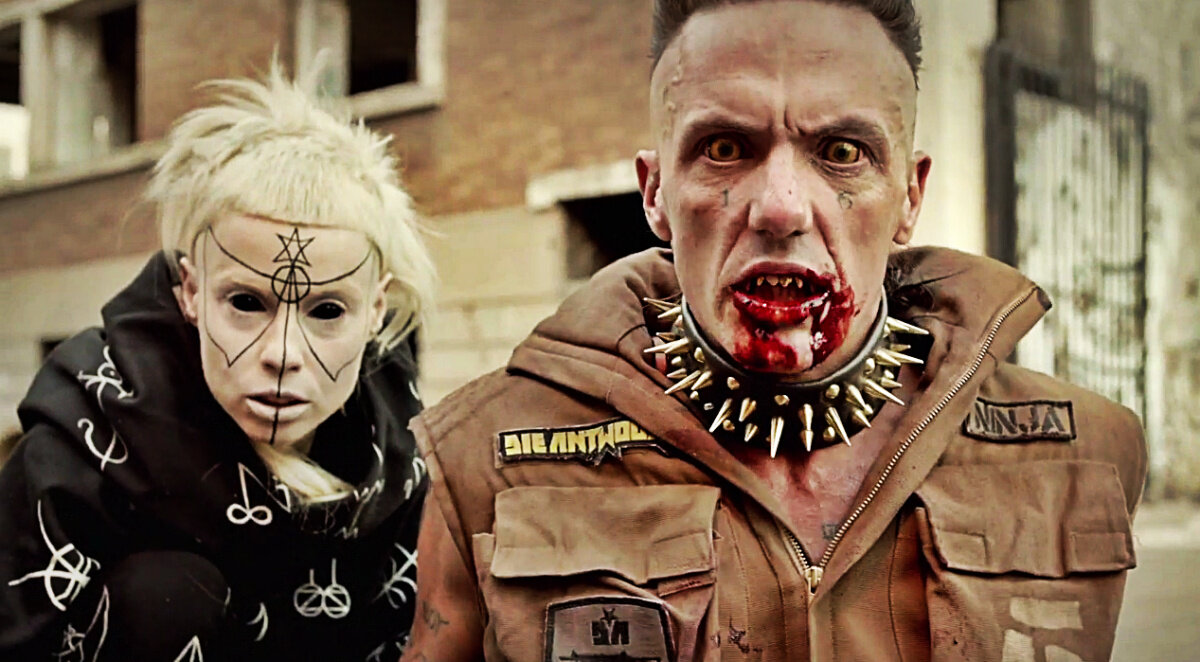
Die Antword are one of the most absurd and crazy music projects around at the moment, an absolutely unique South African hip-hop group made up of Ninja, Yolandi Visser and Dj Hi-Tek.
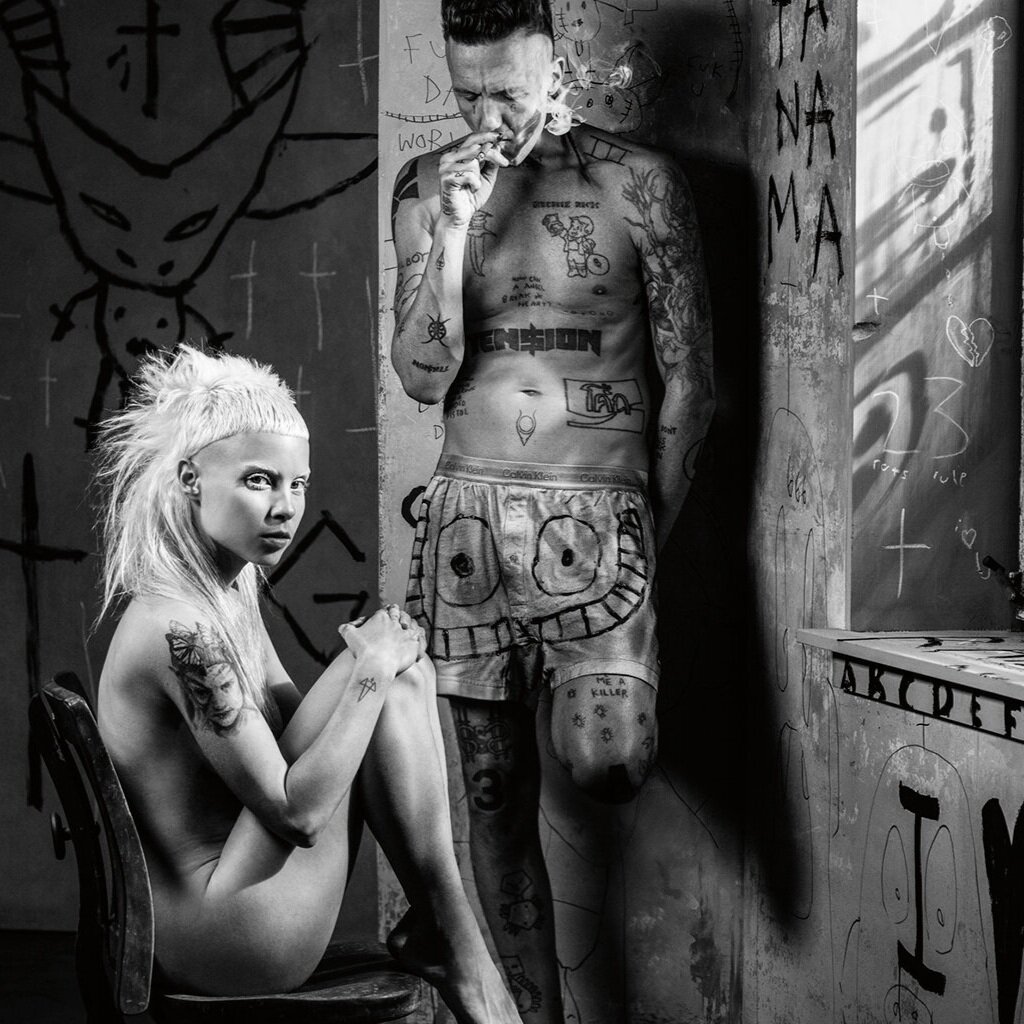
Ninja is the group's rapper, an extremely controversial figure who is often at the centre of scandals that cast an incredibly negative shadow over him. His body is covered in badly done, "prison-style" tattoos, and he has an unreassuring face, gold teeth and the look of someone permanently on acid. Ninja is a vulgar, violent, dirty and deviant alter ego. His way of rapping is unmistakable, starting with his very strong South African accent, which gives him an utterly unique pronunciation. The lyrics blend Afrikaans, Xhosa and English.
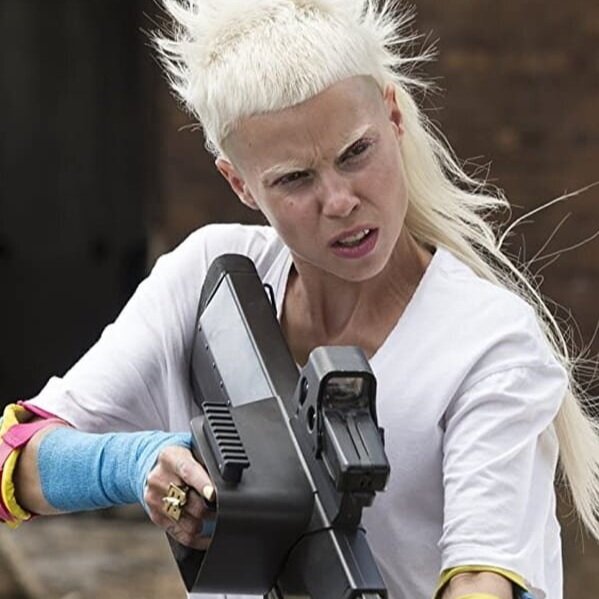
Yolandi Visser is the group's singer, and she too has an image of tremendous impact: a disturbed, psychedelic punk Lolita. She weighs barely 40 kilos, often wears cartoon-style outfits, and sings in a mad, unsettling, childlike little voice, which is another of the trademarks of Die Antword, and she has an utterly disquieting "esoteric" alter ego.
Dj Hi-Tek is the group's producer, and his identity is unknown. At the beginning, Ninja and Yolandi worked with a young boy suffering from progeria, an incurable, degenerative condition that led to his premature death. After that, the third member of Die Antword was presented by Ninja in various interviews, but in each of them he was always a different person, just as in the videos.
This utterly incredible trio is a hallucinogenic cocktail even in a photograph. From 2008 to today they have become more and more famous, going viral with the 2009 video Enter The Ninja . Now very much in demand even on the mainstream scene, they have nevertheless never lost their authenticity and have never compromised with a more commercial, glossy imagery. Famous is Lady Gaga's proposal to have them open her concerts on the Born This Way Ball tour: a proposal they naturally turned down, and not only that. It led to the video for Fatty Boom Boom, a real send-up of Lady Gaga, satirically portrayed as the classic moneyed American who is unable to cope with the dangers of life in South Africa.
Even though they make hip-hop, Die Antword are utterly far removed from the more canonical imagery of rap. The content of their songs and their aesthetic reflect elements of the Zef subculture, that is, simplifying the concept as much as possible, the love and promotion of all that is tacky, excessive, in bad taste, deformed, degraded and dirty, often combined with a more childlike, kawaii side, and also linked to black magic drawn from South African traditions and folklore. In Yolandi's words: Zef is, you're poor, but you're fancy. You're poor, but you're sexy; you've got style.
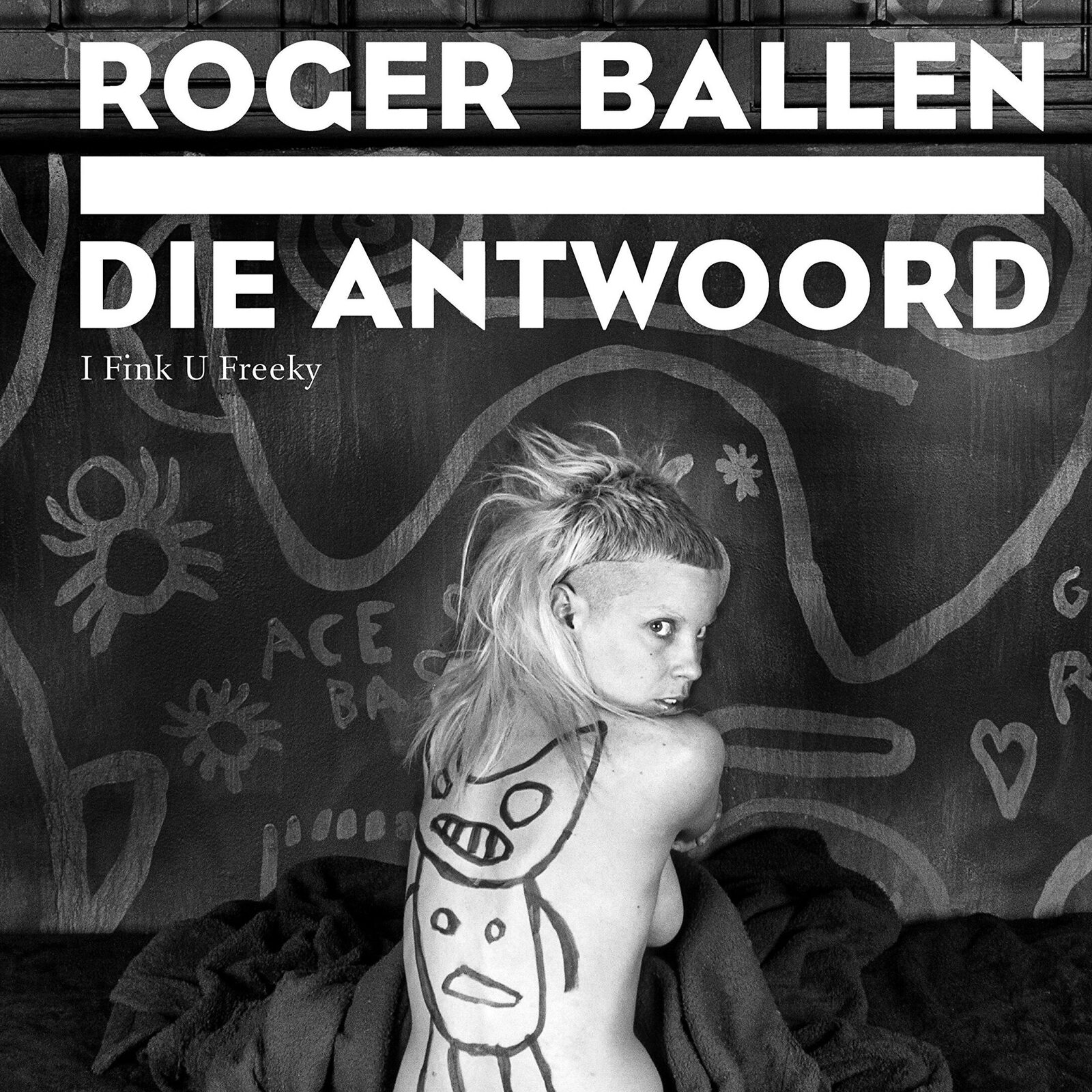
For those who know Roger Ballen, well, that is the aesthetic at their foundation.
One of the most entertaining and unique aspects is certainly the music videos. Their videos are short films, with stories, characters and incredible happenings. The true Zef essence emerges in the videos to the nth degree. It is like climbing into a washing machine on a spin cycle, filled 50% with disturbing things and the other 50% with unwholesome ones.
It is not hard to believe that Die Antword are often at the centre of controversy and accusations, from those against Ninja of violence and sexual abuse to those that also target Yolandi for homophobia. The accusations have been denied, and this is certainly not the place to assess whether or not any of it is well founded, so if you want to look into the matter, you will find a very colourful body of literature about it online. The only thing I feel I can say is that figures of this kind inevitably end up at the centre of this sort of controversy. The "political incorrectness" of Die Antword is truly uncompromising and blunt, relentless I would say, but at the same time it is also ironic and grotesque.
I would say there is more than enough material for a good trip into this mind-blowing world. So all that remains is to wish you good fun.

Black Pills is a column that does not set out to teach anything. There are books, articles and manuals that deal with the biographies of artists, films and works of art in a detailed and exhaustive way. This is not one of those cases. The black pills are small glimpses of cultural and artistic landscapes, at times very broad, which offer the chance to explore themes that do not entirely belong to mass culture, but move along other channels and other circuits. In a world where the choice is often limited to what is defined, in the broadest sense, as pop, I highly recommend taking a few pills of a different colour and perhaps discovering something new, which in some cases, as in mine, can stay with you for the rest of your life.